- Date of Ship Wreck: The Ship was destroyed in the year 1945.
- Place of Wreck: The Wreckage took place near the northern Poland.
- Goods carried: It was war ship, armed and loaded with highly powerful and deadly weapons of its time.
- Cause of Wreck: The Russian Submarine was the slayer of the German liner Wilhelm Gustloff.
- Loss of Human Life: 10,000 people were jammed onboard the ship, with a mere 900 or so managing to be rescued from the frigid waters, making it the greatest loss of life from a single ship sinking in history.
- Economic Loss: It was marked as the huge disaster in history due to the human life losses.
- Salvage: No records were found to salvage the wreckage.
Monday, 9 January 2012
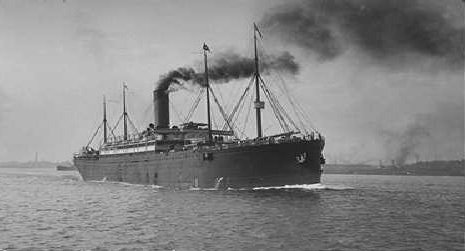
6 German Liner Wilhelm Gustloff, 1945

7. Italian Liner Andrea Doria, 1956
- Date of Ship Wreck: The most famous Italian Liner wreck dates back to July 1956.
- Place of Wreck: The Wreck took place at the coast Massachusetts.
- Goods carried: It was the most luxurious ships of its kind and was facilitated with modern features. There are no evidences about the exact amount of loss and the goods present in it.
- Cause of Wreck: The wreck happened when the luxurious flagship of the Italian Line collided with the Swedish liner Stockholm in heavy fog off the coast of Massachusetts. The Blame was placed on both the captains because they misinterpret what their counterpart is doing.
- Loss of Human Life: It was big disaster and claimed 46 lives.
- Economic Loss: It was definitely a humongous economic disaster for the Italy.
- Salvage: No efforts were made to redeem the wreckage.
8. Union Ironclad U.S.S. Monitor, 1862
- Date of Ship Wreck: The Ship Wreck took place in the year 1862.
- Place of Wreck: The Ship sank near Cape Hatteras, Virginia.
- Goods carried: It was a first full metal, turreted war ship. It was used in the warfare.
- Cause of Wreck: The reason for the wreckage is same as stated for the above mentioned wreckages. The Ship fought for many hours against the vicious and notorious gale off the Cape Hatteras, Virginia.
- Loss of Human Life: Sixteen members of her crew lost their lives in the mishap.
- Economic Loss: The ship was only one of its kinds and the mishap contributed as an end to revolutionary ships of its era.
- Salvage: The exact location of the ship was obtained in the year 1973, 16 miles off the Virginia coast. The recovery yielded with a massive steam engine and then in year 2002 its revolutionary turret came out to the surface.
Shipwrecks
Ok Yes this Youtube video is just images with some shockily shit song behind it but In terms of Imagery this is giving me alot of visual ideas of ways of present the data I've collated already.
9. Great Lakes Ore Carrier Edmund Fitzgerald, 1975
- Date of Ship Wreck: The most famous ship wreck took place on November 10, 1975
- Place of Wreck: The ship wrecked in the Great Lakes, It is one of the roughest waters to sail upon.
- Goods carried: Only useful goods were carried no records found that it carried silver and gold.
- Cause of Wreck: The Ore Carrier Edmund fall prey to the vicious gale, unfavorable weather, 30 feet huge tides. Eventually disappeared and got grounded to the sea bed.
- Loss of Human Life: All of the crew, consisting of 29 members drowned with her.
- Economic Loss: No such effect on the Economy.
- Salvage:
Surveys were done to dig out the original cause behind the ship wreck and
was found that 800 long bottom was completely destroyed by the tides
causing the ship to sink in a mere minutes.
The Youtube channel below is packed with videos of underwater dives around the wreck;
Sunday, 8 January 2012
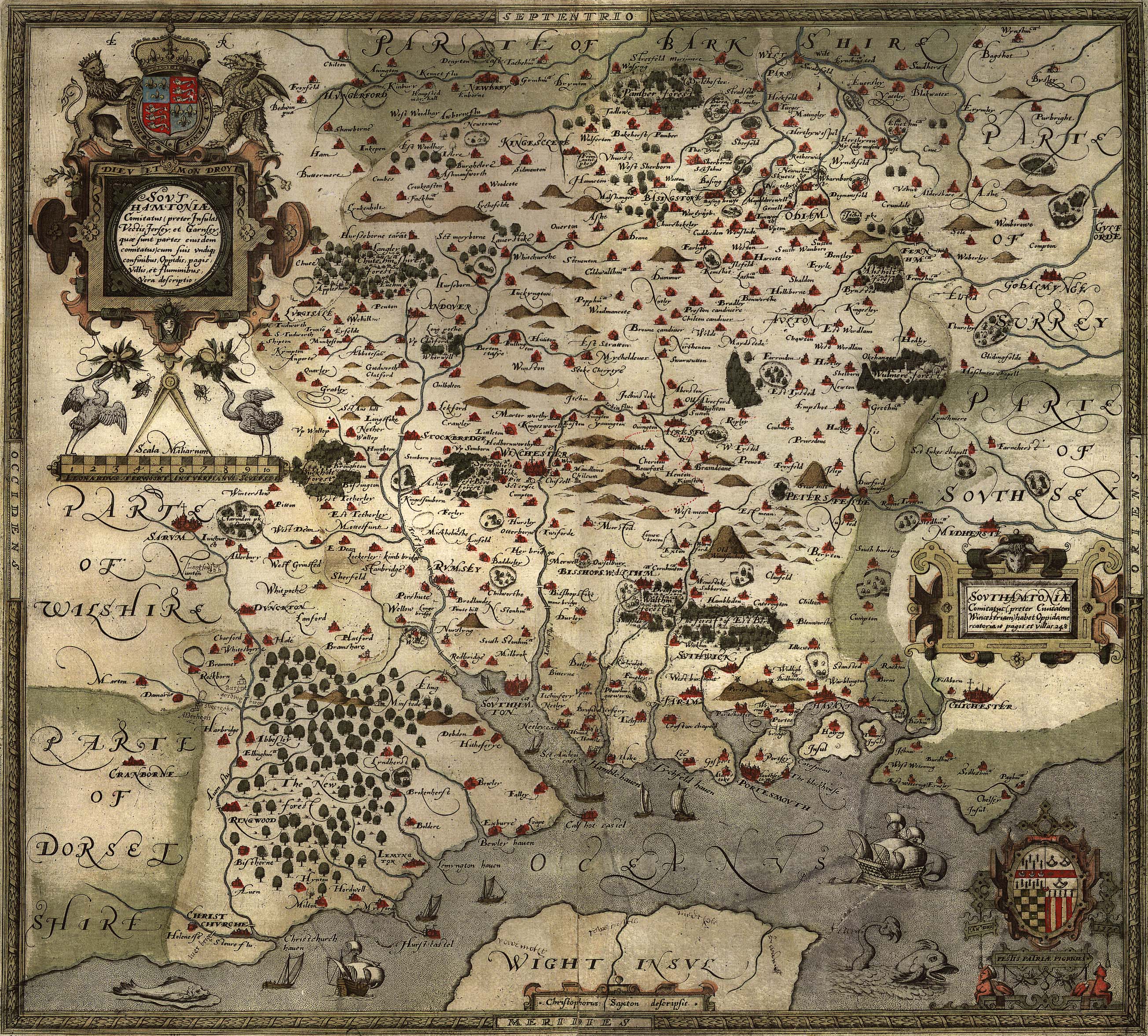
Antique Maritime Maps
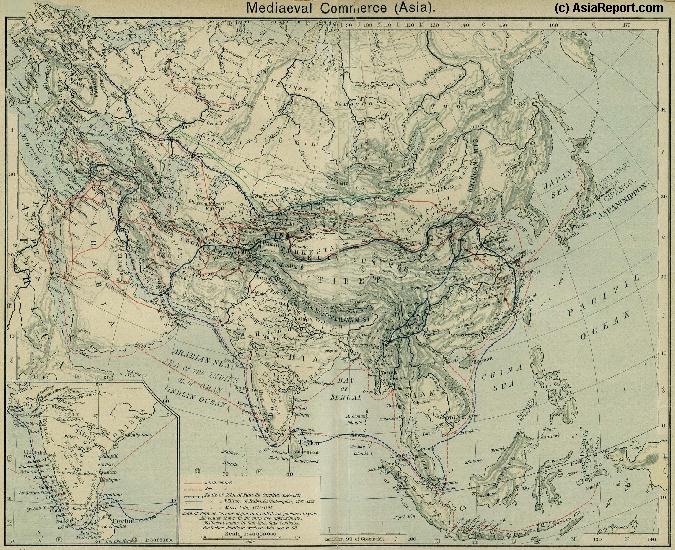
As Im looking at shipwrecks I thought some relavant visual sources would be maritime maps, Below is a selection of different maps solely picked out because of how intricate and detailed they are, they almost become a piece of artwork outright in themselves.






Steamship S.S. Republic, 1865 Coins
A selection of the Coins that would be found on Board the Wreckage coressponding to their time period;
| 1865 S.S. Republic
Shipwreck "Confederate" Silver Coins For the first time ever, NGC has certified a group of shipwreck coins from the S.S. Republic with the unique pedigree that identifies each coin as have been struck at the New Orleans Mint while under control of the Confederate States of America. Never before have collectors been able to show off 1861-O Seated Liberty Silver Half Dollars that were both part of the historic 1865 Shipwreck of the S.S. Republic and identified as having been struck by the Confederacy. Without a doubt, these collectibles minted during the Civil War are unique and available today in strictly limited quantity. |
 |
| 1857 S.S. Central
America Shipwreck "The Ship of Gold" The sinking of the Central America in a hurricane in 1857 in the Atlantic Ocean was one of the worst peacetime tragedies of men, ship, and gold lost at sea. Over 425 men and many tons of gold were thought to have been lost forever. In 1989, the Ship of Gold and her cargo of San Francisco gold coins were discovered and retrieved from the bottom of the ocean. Now, some 144 years later, you can own an authentic, historic piece of California Gold Rush history. |
 |
| 1865 S.S. Brother
Jonathan Shipwreck In July of 1865 the side wheeler steamship the SS Brother Jonathan sailed from the harbor in San Francisco overloaded with cargo. On board was a treasure chest of gold mined during the California Gold Rush Days. A gale kicked up shortly after Brother Jonathan left port and the storm worsened. Around one o’clock in the afternoon, the ill-fated steamer passed Crescent City, California, hitting the Saint George Reef. The impact was so jarring that both passengers and crew were tossed overboard. |
 |
Steamship S.S. Republic // Uncovering the Wreckage
A really interesting video following the discovery of the Steamship S.S. Republic, It's amazing how many coins they discovered in the wreckage considering its a good 130/140 years on!
Shiprwreck Explorers
Came across this website when looking for some underwater photo's of ships, this group dedicate there time to the exploration of underwater vessels plus have an amazing archive of photo's to use as reference.
Steamship S.S. Republic, 1865 Underwater Photos
A collection of Photo's of the shipwreck beneath the water;


10. Steamship S.S. Republic, 1865
Main Facts
Date of Ship Wreck: The Steam Ship SS Republic’s wreck dates back to October, 1865.
- Place of Wreck: The ship wrecked about 100 miles off the Georgia coast.
- Goods carried: The Ship carried with it the some expensive goods usually silver and gold.
- Cause of Wreck: The Wreck was caused due to the violent gale off the Georgia Coast
- Loss of Human Life: Luckily the passengers and crew managed to leave the ship successfully, resulting in zero percent life loss.
- Economic Loss: The ship was filled with tons of silver, gold coins and ingots which was supposed to be transported West Coast to help rebuild the war-ravaged south. The wreck provided the country a serious setback making a huge loss and economical crisis.
- Salvage:
The efforts for the recovery of SS republic proved to be one of the
largest and richest find in the history of salvaging success. The recovery
yielded with over 51,000 U.S. gold and silver coins with nearly 14,000
artifacts.
Historical Overview
1853: Launched in Fells Point, Baltimore as the Tennessee August 31
1853: In commercial service
transporting passengers and cargo
1855: First transatlantic passage by a
steamer from Baltimore
1856: Inaugurated steamer service
between U.S and South America
1856-57: Sailed the Nicaragua route
with adventurers: Gold Rush "Californios" and soldiers of fortune
following William Walker
1857: In commercial service
transporting passengers and cargo from New York to New Orleans, and also from
New Orleans to Vera Cruz, Mexico
1861: At the outbreak of the Civil War
in April, Tennessee was trapped
in harbor at New Orleans. Early the next year she was purchased for service in
the Confederate navy
1862: April 29 - Captured by Union
forces in New Orleans and pressed into service
1862-64: Notable Civil War naval
service included participation in the Mississippi River campaign, the Gulf
Coast Blockade, the Battle of Mobile Bay, and service off and on as the
flagship of Admiral David Farragut.
1864: Name changed to USS Mobile after
the Union’s Victory at the Battle of Mobile Bay to avoid confusion with the
captured confederate ironclad also named Tennessee
1865: Bought at auction by Russell
Sturgis and investment group; repaired and refitted, then renamed the SS Republic and returned to a New York-New
Orleans run in May
The Last Voyage of SS Republic:
October 18,
1865:
The SS
Republic leaves its New York
pier bound for New Orleans loaded with a reported "$400,000 in
specie."
October 23
1865:
In the
morning, the SS Republic
encounters a gale which turns into a “perfect hurricane” before night, when the
steamer was possibly off Carolina.
October 24,
1865:
The
paddlewheels stall and can't carry the engine past dead center. The SS Republic is left powerless, drifting and
at the mercy of the elements. Steam is raised on the donkey boiler to start the
pumps.
October 25,
1865:
At
9am, the "donkey boiler" fails and water pours into the hold. The
crew begins work on a makeshift raft and prepares the lifeboats. At 1:30 pm the
lifeboats and raft begin launching. At 4:00 pm, when all but 21 people were in
the boats, the SS Republic sank
suddenly. All passengers
and crewmen safely make it into a lifeboat or raft except for two men who are
last seen trying to swim through the ship's floating debris. Captain
Young is pulled down with the sinking ship, but he narrowly escapes and swims
to the safety of a lifeboat.
October 26,
1865:
Lifeboat
#1, under the command of the Republic's
captain, is rescued by the brig John W.
Lovitt.
October 27,
1865:
Lifeboat
#2 is rescued in the afternoon by the schooner Willie Dill. Lifeboat #3 is spotted and rescued late on the
27th by the barkentine Horace Beals.
October 29,
1865:
Lifeboat
#4 rescued after four nights at sea by the schooner Harper.
November 2,
1865:
The
raft, which departed with 14 to 18 people aboard, is spotted off Cape Hatteras
by the U.S. Navy steamship, USS Tioga.
Only two people remained on the raft to be rescued. The others disoriented by
thirst and heat, leaped into the sea and drowned swimming toward what they
falsely envisioned to have been land.


Shipwrecks
The theme I have chosen to work with
is Shipwrecks, Looking at The 10 most famous Shipwrecks worldwide. I thought
this would be really interesting to work with visually and plus a nautical
theme is something I've wanted to work with for ages!
10. Steamship S.S. Republic, 1865
When this Civil War-era side-wheel
steamship sank during a violent gale off the Georgia coast in October, 1865, it
went down with something other than the ordinary goods most vessels of the era
carried. In the case of the Republic,
her holds were filled with tons of silver and gold coins and ingots being
transported from the West Coast to help rebuild the war-ravaged south, making
her loss an incalculable financial blow to the country at a time when it was
still struggling to regain its economic legs after four years of civil war.
(The only positive thing from the sinking was that the ship’s entire crew and
passengers managed to get off safely before the ship foundered, making it one
of the few famous shipwrecks that did not result in loss of life.) The ship’s
precise location remained unknown until 2003, when she was finally located
after an extensive search some 100 miles off the Georgia coast in nearly 1,700
feet of water. The subsequent recovery effort not only yielded one of the largest
caches of gold and silver coins in history, but included a fascinating
assortment of 19th century goods that revealed much about life in the
mid-nineteenth century. By the time the recovery was concluded, over 51,000
U.S. gold and silver coins had been recovered along with nearly 14,000
artifacts, making it not only the richest find in the history of salvaging, but
the highest-tech archaeological excavation ever conducted. So successful—and
lucrative—was the expedition, in fact, that it set a precedence for the
emerging field of deep-water shipwreck exploration and recovery.
9. Great Lakes Ore Carrier Edmund
Fitzgerald, 1975
While most people imagine the vast oceans to be
the most dangerous waters to sail upon, some of the roughest waters in the
world are actually experienced on the Great Lakes, which has more non-war
related shipwrecks per square mile than any other body of water in the world.
Without doubt, the most famous of these took place on November 10, 1975, when
the gigantic ore carrier Edmund Fitzgerald, at one time the largest ship on the
Great Lakes and holder of numerous tonnage records, was caught in a vicious
November gale and, after hours of battling high winds and 30-foot waves,
suddenly disappeared from radar without as much as a single distress call,
taking all twenty-nine members of her crew down with her. The loss would likely
have remained little known outside the Great Lakes maritime community had not
singer/songwriter Gordon Lightfoot written a popular song about the sinking in
1976, immortalizing the ship’s demise and making her the most famous shipwreck on
the Great Lakes. While the precise cause of the sinking has never been
determined, later surveys done on the wreck revealed that the 800-foot long
craft broke in two, suggesting it either “bottomed out” on the shallow lake
bottom and broke in two, or it was wrenched in two by a rogue wave and plunged
to the bottom of the lake in mere minutes. Whatever the cause, the ship remains
off-limit to divers as a grave and continues to serve as a reminder that even
the largest vessels are no match for the Great Lakes when—as the song says—the
gales of November come early.
8. Union
Ironclad U.S.S. Monitor, 1862
Though a comparatively tiny vessel
whose foundering during a gale off notorious Cape Hatteras, Virginia on new
year’s eve, 1862, taking sixteen of her crew down with her, was barely noticed
by the press at the time, the sinking spelled a tragic end to one of the most
revolutionary ships of its era. The brainchild of a little known naval engineer
by the name of John Ericsson, the Monitor,
in being the first all-metal, turreted warship in history, became the prototype
for what would become the standard for warship design for the next century and
a half. Derisively called a “cheesebox on a raft” by both sides, the little
ship changed the face of naval warfare forever when it battled the South’s own
ironclad warship, the CSS Virginia,
to a draw off Hampton Roads, Virginia in March of 1862. While the battle did
little to affect the outcome of the war, it signaled the end of wooden sailing
vessels with fixed cannons and initiated the age of steam-driven, ironclad
warships with revolving turrets, making the battle—and the ship—one of the most
important in history. The ship’s precise location remained unknown for over a
century until it was located 16 miles off the Virginia coast in 1973, after
which is was designated a national historic landmark, making it off-limits to
divers and salvagers. Eventually, however, the government gave authorization
for elements of the ship to be brought to the surface, resulting in the
recovery of its massive steam engine and, in 2002, its revolutionary turret.
The site is now under the supervision of NOAA, with many artifacts from the
ship, including her turret, cannon, propeller, anchor, engine and some personal
effects of the crew, being put on display at the Mariners’ Museum of Newport
News, Virginia.
7. Italian
Liner Andrea Doria, 1956
While not the most famous passenger
liner ever to sink, when the luxurious flagship of the Italian Line collided
with the Swedish liner Stockholm in
heavy fog off the coast of Massachusetts in July of 1956 and sank a few hours
later, it came as quite a shock to the world. What made it such a surprise was
not the scale of the catastrophe—only 46 of the 1660 people on board died as a
result of the collision—but the fact that such a disaster was even possible in
an age of radar and high tech ship-to-ship radio communications. It was also
famous for being one of the few major ship sinking ever filmed while it was
happening, giving the world a bird’s-eye view of the proud and beautiful ship’s
final moments and forever cementing her in maritime legend. Eventually the
fault for the collision was placed on both captains for not only plunging
through the pea-thick soup at over twenty knots, but for managing to completely
misinterpret what their counterpart was doing. It might have even been funny
had not it ended in the loss of life and the sinking of one of the most
expensive ships ever built. Today the Andrea
Doria remains one of the world’s most popular diving sites (it’s even
referred to as the “Mount Everest” of deep-sea diving), though because of its
depth and the rapidly deteriorating condition of the wreck, it remains a
treacherous site to dive on—as evidenced by the fact that it has claimed the
lives of half a dozen divers over the years.
6. German Liner
Wilhelm Gustloff, 1945
It’s probably safe to say that few
people have ever heard of the Wilhelm
Gustloff, making it reasonable to ask why it would make it into my top ten
most famous shipwreck list. The reason is because this list is not just about
the most famous, but the most significant shipwrecks as well, in which case
this German liner easily fits the bill. What makes it so? The fact that it was
responsible for the largest single loss of life in maritime history when the
overloaded vessel—fleeing the advancing Red Army into northern Poland in the winter
of 1944-45—left the port of Danzig (modern day Gdansk) one cold January evening
in 1945 only to be sunk by a Russian submarine shortly after reaching the open
sea. Not only did it sink in a matter of minutes, but with a water temperature
just a degree or two above freezing, even those not trapped below decks had a
minimal chance of surviving in the frigid waters of the Baltic. The final death
toll from this horrific event? No one will ever know the precise number of
people who died when the Gustloff went
down as the ship had no passenger list and, as a refugee ship, was loaded to
three times her normal capacity. However, best estimates are that as many as
10,000 people were jammed onboard the ship, with a mere 900 or so managing to
be rescued from the frigid waters, making it the greatest loss of life from a
single ship sinking in history.
5. American
Battleship U.S.S. Maine, 1898
Warships are usually sunk as a
result of the outbreak of war; rarely are their sinkings the reason for
starting the war in the first place, but that’s exactly what happened when the
small but powerful little battleship Maine
blew up in Havana harbor shortly after dusk on February 15, 1898, killing 261
of her 355-man crew. Though the cause of the explosion—which literally blew the
ship in half—remains a source for some debate even to this day (a coal bin fire
setting off ammunition in one of the ship’s magazines being considered the most
likely reason), within weeks of the disaster investigators announced that the
ship appeared to have been destroyed by a mine attached to her hull. Since
relations between the United States and Spain were already pretty dicey as a
result of Spain’s iron-fisted efforts at putting down a large-scale rebellion
in Cuba, most Americans quickly jumped to the conclusion that the Spanish had
destroyed the ship (despite the lack of logic in doing so) and demanded
retaliation. Buckling to public pressure and spurred-on by the jingoistic
flavor of the press of the day, a few weeks later the McKinley
administration declared war on Spain, resulting in one of America’s
shortest and most successful conflicts (the Persian Gulf War being the other).
Fortunately for the largely under-armed United States, Spain was already in
decline as a world power and lacked the means to adequately defend its overseas
colonies, forcing her to surrender after just three months and cede Cuba,
Puerto Rico and the Philippines to the United States. The victory marked
America’s entrance onto the world stage and her ascension as a genuine colonial
power and the rest is, as they say, history. So what became of the demolished
battleship? What was left of it was raised from the muck of Havana harbor in
1911 and towed out to open ocean, where she was sunk—again—but this time on
purpose and with full military honors. Not much left of her today, of course,
other than her legacy and the rarely heard battle-cry “Remember the Maine!”
4. German
Battleship Bismarck, 1941
Few ships manage to both sink on
their maiden voyage and be one of the most dangerous vessels ever to sail the
seas at the same time (as well as even have a song written about it), but the
massive German dreadnaught managed to do all three. The pride of the German
navy and a ship once described by Winston Churchill as, “a masterpiece of naval
construction,” the fast and heavily armed warship ran roughshod over the Royal
Navy for eight days in May of 1941, during which time she shocked the British
by blowing the famous battlecruiser Hood
out of the water and badly damaging the spanking-new battleship Prince of Wales off the Icelandic coast
in a battle that lasted all of twenty minutes. Finally cornered off the coast
of France on May 27th, 1941 by the British battleships King George V and Rodney, the damaged ship put up a furious fight against the
overwhelmingly superior British force before finally succumbing to the
onslaught and slipping to the bottom of the Atlantic, taking all but 115 of her
2,200 man crew down with her. The ship’s precise location remained largely a
mystery until 1989, when she was located by Dr. Robert Ballard (the guy who
eventually located the Titanic-see
no. 1) and his team using side-scan sonar and submersibles. Remarkably, because
of her heavy-duty construction, the ship remains largely intact on the seafloor
despite the battering she took, and stands today as a silent reminder of the
immense cost and futility of war.
3. British
Liner Lusitania, 1915
While not quite as famous as the
similarly sized liner Titanic, in
some ways the sinking of the Lusitania
was even more important in terms of historical ramifications than was the loss
of her better known colleague. While the loss of life was less—1,200 men,
women, and children drowned when it was sunk by a German submarine off the
Irish coast on May 7, 1915—its loss served as a catalyst for America’s eventual
entry into World War One, which likely changed the outcome of the war and
ensured the allies victory. The sinking was not without other controversy as
well: What was especially suspicious about the ship’s quick descent to the
bottom was that it was done in by a single torpedo when smaller vessels often
survived such a hit, leading many to suspect that the civilian liner was
illegally carrying munitions on board. Though the charge was roundly denied by
British authorities at the time, years later it was demonstrated that the
British were, indeed, using civilian ships to carry munitions and other
instruments of war in clear violation of international treaties. That doesn’t
necessarily justify the killing of innocent civilians, of course, but it did
make the British government somewhat culpable for the catastrophe—a prospect
they are loathe to admit to even to this day.
2. American Battleship U.S.S. Arizona, 1941
What
makes this wreck so famous is not only that its loss signaled the start of
World War Two in the Pacific, but that it is the only shipwreck one can visit
without diving equipment or even getting their feet wet. Sunk in the opening
minutes of the Japanese surprise attack on Pearl Harbor, December 7, 1941 with
a loss of nearly two-thirds of its crew, the ship served as a symbol American
resolve that was to carry the country through the darkest days of World War
Two. Today the ship remains the most famous war grave in the world and one that
sees more than a million visitors each year, who come to visit the memorial
built over the rusted remains of the once mighty battleship. Despite having
been immersed in salt water for nearly seventy years, the ship is remarkably
intact, however. It also remains an active gravesite, with the cremated remains
of the surviving crewmen still being occasionally interned within the hull of
the World War One-era dreadnaught as they pass on to join their long-dead
shipmates.
1. British Liner Titanic,
1912
Selecting
the most famous shipwreck is easy. In fact, more people know about this ship
and its ill-fated maiden voyage—especially as a result of the 1997 James
Cameron movie—than any other ship in history. Of course, everyone knows what
happened by now: the White Star liner, fresh out of the shipyard and sparkling
new, was on its maiden voyage from England to New York when it hit an iceberg
just before midnight, April 14, 1912, opening her up like a sardine can and
sending her to the bottom in just a few hours. While such a length of time
should have given those onboard plenty of time to get off the doomed vessel,
the ship carried fewer than half the lifeboats required, dooming over 1500 men,
women and children (out of the over 2200 onboard) to a watery grave and giving
the status quo quite the black eye. The only positive thing to come from the
tragedy was improved safety and communications procedures being implemented
throughout the maritime community (which, in the long run, probably saved more
people over the next few decades than were lost on the Titanic). The ship’s precise location remained unknown for the next
seventy years until it was located by a team of oceanographers led by the
famous Dr. Robert Ballard in 1985, thereby opening the doors to renewed
interest in the famous ship (and probably making the subsequent Cameron film,
parts of which were filmed on the actual wreck nearly two miles beneath the
surface of the Atlantic Ocean, so popular).
Other notable shipwrecks throughout
history: General Slocum, 1904: paddlewheel steamer caught fire and burned to the waterline
off New York, killing 1,021; Sultana, 1865: steamboat
paddlewheeler caught fire on the Mississippi River, leaving 1,800 dead; Eastland,
1915: excursion boat rolled onto its side at a Chicago pier, drowning 844
passengers and crew; Empress of Ireland, 1914: Canadian
liner collided with another ship on the Saint Lawrence Seaway in heavy fog and
sank in minutes, drowning 1,012; Estonia, 1994: massive car ferry
sank in heavy seas off the coast of Finland, taking over 800 down with her; and
the Hunley,
1864: Confederate submarine that sank minutes after torpedoing the Union
frigate Housatonic off Charleston, South Carolina, taking her eight-man crew to
the bottom. (She was subsequently raised and excavated in 2000, making her even
more famous.)
Top Ten...
Over christmas we were given the task of research the theme Top Ten looking working with a theme/subject and thinking visually towards producing a title sequence.
| BRIEF |
Design & Produce a title sequence and set of 4 promotional idents/stings for a proposed TV programme – ‘TOP 10 BEST/WORST….’ or '10 THINGS YOU NEED TO KNOW ABOUT....' Your response should aim to clearly communicate the subject, concept, content and mood of programme in a way that will engage an audience who have chosen to tune in. You should also aim to reflect the brand identity of the channel that - in your opinion - would run the programme. |
| Background / Considerations |
Title sequences for TV programmes are the most widely viewed examples of Motion Graphics in contemporary visual culture. Their primary function is to present the programme details, set the scene/mood and often establish a brand identity of a programme or series. The ‘TV ident’ is a tricky thing. You have a 10 second window to deliver your message, concept and/or information. Too much going on and it doesn’t make sense not enough and your audience will loose interest. They often come in sets but have to work on their own. If you get it right they can be the most memorable part of a night infront of the TV. If not people will switch channels. You will need to choose subject matter that you find interesting but also offers creative potential. You could choose: Hairstyles, Sci-Fi Classics, Political statements, Religious sects, TV celebrities, Horror movies, Musical Genre’s, Ice cream flavours … the subject matter is up to you. Your audience will be interested in your chosen subject matter to want to tune in. They will probably already hold their own opinions regarding their own best/worst. It is your task to engage them from the start. Tone of voice should be appropriate to the content and consider the profile of your audience. You will need to state your audience as part of the development of your resolution. |
| Mandatory Requirements | Deliverables |
All digital files should be submitted in an appropriately designed and packaged dvd format that reflects the content of the work. See additional briefing for details. | 1 x Title Sequence (60 seconds) 4 x Promotional Stings (4 x up to10second) Evidence of contextual research into subject matter, motion graphics and tv idents as well as broader contextual references. Comprehensive Research & Development work presented posted to your design practice blog. This should include initial research and development, storyboards and test pieces as well as evidence of ongoing evaluation. |